St. Louis tuckpointing for Durable Masonry Repairs
Tuckpointing: Necessary Techniques for Reinforcing Brick Masonry Integrity
Tuckpointing is key to preserving the structural soundness of brickwork. It involves repairing and reinforcing the mortar joints, essential for endurance. Neglecting indications of wear can lead to major problems, including water damage. It is vital to understand the techniques and tools necessary for effective tuckpointing. As the overview unfolds, the importance of proper maintenance and common pitfalls will become evident. What should one think about before undertaking such a project?
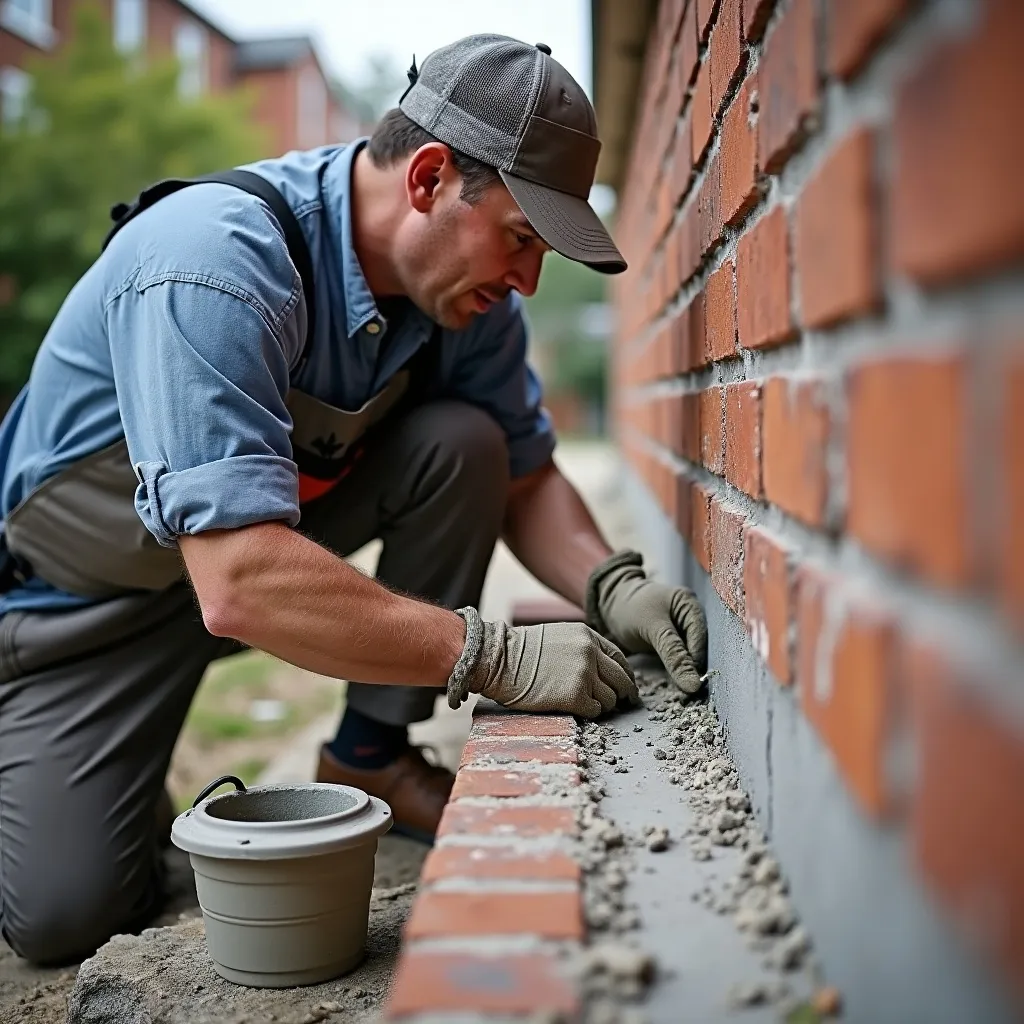
Signs Your Brickwork Needs Tuckpointing
Brickwork decay can often be subtle, making it straightforward to miss vital care needs. Homeowners should remain vigilant for specific signs pointing to that tuckpointing may be necessary. One prominent indicator is the presence of cracks in the mortar joints, which can damage the structure's integrity. Additionally, color changes or crumbling mortar may signal that moisture is infiltrating the brickwork, leading to more damage. Efflorescence, a white, powdery substance on the surface, often reveals moisture issues and can suggest that tuckpointing is required. Another caution sign is the presence of shifting or loose bricks, which can indicate severe deterioration. Finally, if water infiltration is observed during heavy rainfall, it is crucial to further information address the underlying issues promptly. Recognizing these signs early can prevent more extensive repairs and extend the lifespan of the brickwork, ensuring the structure remains safe and appealing.
What Constitutes Tuck Pointing and What Makes It Important?
Tuckpointing represents a expert bricklaying technique that involves repairing and restoring the mortar joints between bricks. This process is vital for maintaining the structural integrity of brickwork, as failing mortar joints can lead to water infiltration, mold growth, and ongoing deterioration. By methodically extracting damaged mortar and replacing it with a fresh blend, tuckpointing not only improves the aesthetic of brick structures but also increases their longevity.
Homeowners and building managers ought to value tuckpointing because it functions as a proactive defense against high-cost repairs ahead. Neglecting visible signs of wear and tear may cause substantial deterioration, thereby undermining the safety and beauty of your home. Frequent tuckpointing preserves the market value of brick structures and ensures they stay durable when exposed to natural forces. Grasping this method remains important for those dedicated to the durability of their masonry installations.
Necessary Instruments and Resources for Effective Tuckpointing
Proper tuckpointing calls for particular tools and materials to guarantee success and durability. Essential tools include a trowel, which is necessary for applying mortar, and a jointer, used to shape the mortar joints. A brick hammer is also handy for removing damaged mortar and adjusting bricks as needed. Additionally, a mortar mixer creates a consistent blend for peak adhesion.
When considering supplies, premium mortar is essential, typically a mix that matches the original brickwork for visual appeal and structural compatibility. A mortar bag with a nozzle facilitates accurate placement, while a pointing tool helps to finish the joints smoothly. Safety gear, including gloves and goggles, is necessary to protect against particles and dust. Finally, a wire brush can prepare surfaces before application, guaranteeing a strong bond between old and new mortar. Together, these tools and materials improve the tuckpointing process, promoting the longevity of the brickwork.
Guide to Tuckpointing Brickwork Effectively: A Systematic Process
Revitalizing aging masonry starts with a systematic approach to tuckpointing. First, the area to be repaired should be thoroughly cleaned, eliminating old mortar and debris with a chisel or grinder. This guarantees proper adhesion for new materials. Next, the technician combines a compatible mortar, taking into account color and texture to match the existing brickwork.
Once the mortar acquires the right consistency, it is placed to the joints using a tuckpointing tool. Careful attention should be paid to fully fill the joints, ensuring no gaps exist. Following application, the mortar is finished to match the original profile of the joint, often using a pointing trowel or jointer for precision.
Finally, the newly repointed joints should be allowed to adequately cure, typically protected by a damp cloth to prevent rapid drying. This systematic approach not only enhances the aesthetic appeal but also strengthens the structural integrity of the brickwork.
Prevalent Missteps to Circumvent During Tuckpointing
During tuckpointing, various common mistakes can compromise the quality of the work. Overlooking atmospheric conditions, picking the wrong type of cement mix, and neglecting substrate readiness are important errors that can result in substandard performance. Recognition of these obstacles is essential for obtaining sturdy and aesthetically pleasing brickwork.
Disregarding Climate Conditions
Although it might seem desirable to proceed with tuckpointing regardless of weather conditions, this mistake may cause serious problems. Adverse weather, including rain, extreme heat, or freezing temperatures, can damage the effectiveness of mortar and the overall integrity of the repair. For example, moisture can degrade mortar adhesion and cause premature deterioration. Likewise, applying mortar in high heat can result in fast drying, which prevents proper curing. Cold temperatures can impede the setting process, raising the chance of cracks and failures. Therefore, it is important to check weather forecasts and select optimal conditions for tuckpointing. By honoring the elements, one can ensure a long-lasting and effective repair of brickwork, thereby preserving the structure’s integrity.
Inadequate Mortar Determination
An ordinary mistake in tuckpointing involves the determination of an wrong mortar mix, which can weaken the effectiveness of the repair. The mortar used must match well with the original in composition, color, and texture to guarantee adherence with the existing brickwork. Using a mix that is too hard, such as Portland cement, can trap moisture and lead to degradation, while an overly soft mix may not provide adequate support. Additionally, disregarding the specific weather-related factors, such as freeze-thaw cycles, can cause further damage. Tuckpointers must also avoid using pre-mixed mortars that lack the necessary flexibility and durability. Proper mortar selection is critical for maintaining structural integrity and achieving a visually appealing finish in tuckpointing projects.
Avoiding Surface Treatment
Neglecting base preparation drastically lowers the effectiveness of tuckpointing. Many people fail to appreciate the necessity of cleaning and evaluating the brickwork before beginning the tuckpointing process. Not removing old mortar, dirt, and debris leads to poor adhesion of the new mortar, causing an unstable repair. Additionally, skipping the examination of the brick condition might conceal underlying issues, such as moisture penetration or structural damage. Such an oversight will eventually result in further deterioration, negating the benefits of the tuckpointing work. Proper surface preparation guarantees the new mortar bonds securely and enhances the overall durability of the repair, making it vital for achieving long-lasting outcomes in brickwork restoration.
Tips for Looking after Your Tuckpointed Brickwork to Extend Its Lifespan
To maintain the longevity of tuckpointed brickwork, routine inspections are essential to spot potential issues early. Upkeep should be treated with care to avoid harming the mortar or bricks. Additionally, prompt repair strategies can halt minor problems from developing into substantial structural harm.
Consistent reviews obligatory
Regular check-ups play an essential role in maintaining the durability of tuckpointed brickwork, as they help detect potential issues before they escalate. Property owners should conduct these inspections at least twice a year, paying attention to mortar joints, brick integrity, and signs of water damage. Watch out for cracks, crumbling mortar, or discoloration, which may indicate underlying problems. Additionally, inspecting vegetation growing in cracks can help prevent further damage. Documenting findings will assist in tracking changes over time, making it easier to address issues promptly. If any concerns arise during inspections, consulting a professional can provide expert guidance on necessary repairs. By prioritizing regular inspections, the longevity and visual appeal of tuckpointed brickwork can be preserved for years to come.
Clean Carefully
To preserve the charm and integrity of tuckpointed brickwork, meticulous cleaning strategies that prevent damage while boosting its aesthetic are needed. Brick surfaces are porous and can absorb moisture and contaminants, requiring gentle cleaning methods. Using soft-bristle brushes and mild detergents is best for removing dirt and grime without hurting the mortar or brick itself. High-pressure washing should be skipped, as it can wear down mortar joints and undermine structural integrity. Moreover, acidic cleaners can harm the brick’s surface and cause discoloration. Regular cleanings, ideally scheduled during dry seasons, help reduce the buildup of pollutants. Following these proper cleaning methods helps homeowners extend the lifespan of their tuckpointed brickwork and maintain its visual appeal.
Speedy Restoration Approaches
Timely response to the slightest sign of wear or damage in tuckpointed brickwork is key for maintaining its durability and attractiveness. Homeowners should regularly check joints for faults, crumbling mortar, or fading, which may indicate damp penetration or building stress. When restorations are essential, using a compatible mortar mix assists in retaining the original appearance and building stability. It is essential to guarantee that the fixing substance corresponds to the existing mortar in shade, grain, and blend. Furthermore, coating the repaired spots can guard against water damage and halt more damage. Regular upkeep, including scrubbing and repointing, will enhance the strength of tuckpointed brickwork, making certain it stays aesthetically pleasing and solid for many years.
Often Asked Questions
How Far Does Tuckpointing Typically Last After Completion?
Tuckpointing generally lasts 10 to 30 years in duration, determined by elements like environmental conditions, the quality of materials used, and the competence of the application. Consistent upkeep will increase its durability significantly.
Can You Tuckpoint Over Current Mortar Joints?
Yes, joint filling can be performed over existing mortar joints. However, it's critical to confirm the joints are firmly stable and rid of significant damage or deterioration to ensure the excellent performance and sustained durability.
Is Tuck pointing Right for Every Kind of Brick?
Tuckpointing doesn't work well with all brick types. It is most successful on soft clay brick varieties whereas harder materials may need alternative methods. Assessing the brick type ensures superior results and longevity of the repair.
Which Weather Conditions Work Best for Tuckpointing?
Superior weather conditions for tuckpointing require dry conditions with moderate temperatures, typically between 50°F and 80°F. Circumventing rain, extreme heat, or freezing temperatures guarantees correct setting and bonding of the mortar, enhancing the effectiveness of the repair.
What is the Average Price of Professional Tuckpointing?
Skilled tuckpointing typically costs between $3 and $10 per square foot as an average, determined by multiple considerations such as location, complexity of the job, and the contractor's experience. Additional fees could be charged for major repairs.